Interesting Facts About Classic Family Games in the United States
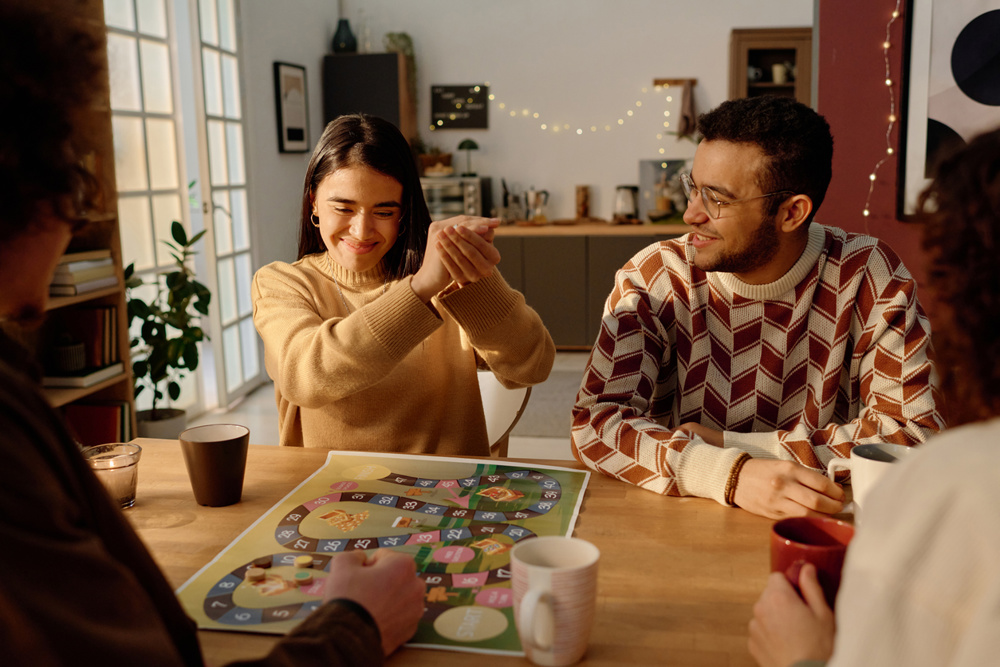
Some of the most recognizable family games in the United States were shaped by far more than simple entertainment goals. Behind their familiar boards and colorful pieces are stories of invention, competition, and unexpected circumstances that influenced how they were created. These games did not emerge in isolation.
They were shaped by the economic pressures of their time, the personal experiences of their creators, and the evolving expectations of families looking for shared activities. What now feels like tradition often began as experimentation. Looking more closely at these games reveals how deeply connected they are to American culture. Their origins, evolution, and continued popularity show how entertainment can reflect broader social and historical realities.
The Rivalry That Gave Us Monopoly, Candy Land, and Clue
The board game industry developed through intense competition rather than collaboration. Creators often struggled to protect their ideas, and publishers prioritized marketability over originality. This environment shaped how some of the most famous games came to life.
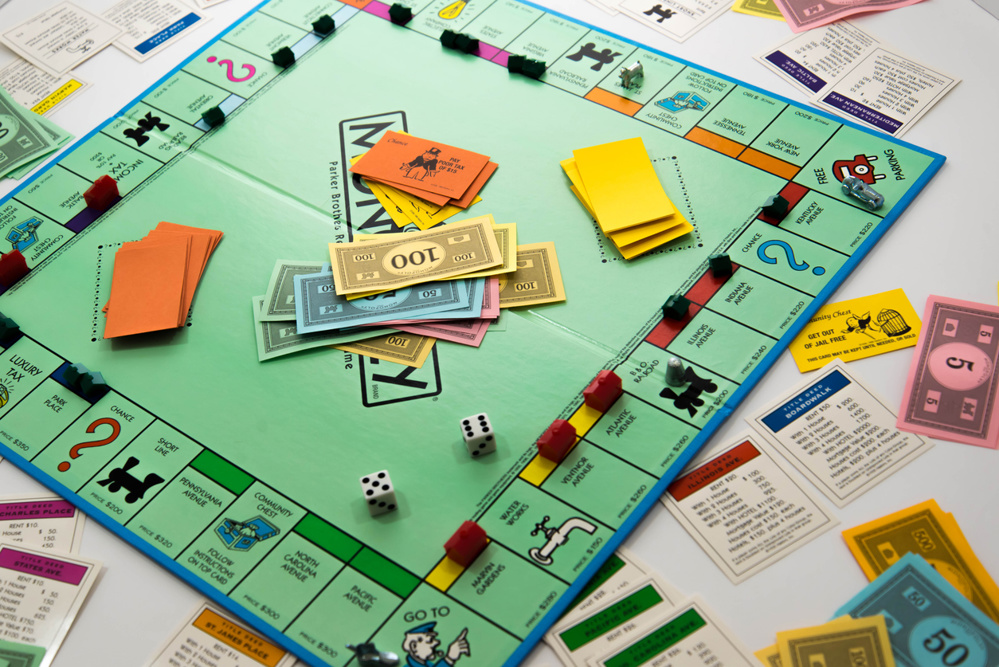
The story of Monopoly is a clear example. Elizabeth Magie created The Landlord’s Game in 1904 to illustrate economic principles, but decades later, Charles Darrow popularized a redesigned version that became widely known as Monopoly. This shift highlighted the challenges inventors faced in maintaining ownership of their ideas.
At the same time, other creators like Eleanor Abbott and Anthony Pratt were navigating similar challenges. Their efforts to bring Candy Land and Clue to market reflect a competitive industry where success required persistence. These parallel stories reveal how rivalry and ambition shaped the foundations of modern board gaming.
The Weird True Stories Behind Monopoly, Clue, and Candy Land
Behind every beloved game on your shelf, there's a stranger story than the one printed on the box. Lizzie Magie invented Monopoly's predecessor in 1904, yet Parker Brothers paid her just $500 while crediting Charles Darrow for 70 years. Darrow even signed an affidavit falsely swearing sole invention.
During World War II, British intelligence hid files, compasses, silk maps, and real currency inside Monopoly sets, using POW smuggling operations to help prisoners escape German camps. Clue's inventor, Anthony Pratt, drew from 1930s murder mystery parties, patenting his idea in 1947 after wartime delays. Candy Land came from a polio ward, designed so sick children who couldn't read could still play.
These aren't footnotes—they're the real games behind the games you grew up loving. A UC Berkeley study found that randomly advantaged players in Monopoly quickly began attributing their wins to personal skill and strategy. Just as board games reshaped family entertainment, the launch of Amazon's Kindle in November 2007. This permanently redirected how millions of people consume the stories behind those games, selling out within hours and capturing over 68% of the ebook market within years of its debut.
Put your game knowledge to the test with more fun family games trivia!
Which Classic Family Games Have Sold the Most Copies?
When measuring a game's staying power, nothing speaks louder than raw sales numbers. Monopoly dominance is undeniable — over 275 million copies sold since 1935 make it the clear leader. Jenga follows with 90 million, proving that simple physical gameplay has serious commercial pull. Here's how the rest stack up:
- Super Mario Bros. moved over 40 million NES copies, boosted by console bundling
- Pictionary crossed 38 million since its 1985 debut through party-friendly mechanics
- Catan resurgence pushed the 1995 strategy title past 32 million globally
You'll notice that longevity, accessibility, and clever distribution strategies drive these numbers. Whether through themed editions, expansions, or console bundles, each title found ways to keep landing in shopping carts decade after decade. Duck Hunt sold 28.3 million copies on the NES, making it one of the most commercially successful light-gun games ever released.
How the Great Depression, a Polio Ward, and WWII Shaped Game Night
Historical events have had a direct influence on the development of many classic games. During the Great Depression, affordable forms of entertainment became essential, and board games provided a way for families to spend time together at home.
Candy Land’s creation in a hospital setting reflects a different kind of influence. Designed for children who were unable to engage in more complex activities, it emphasized simplicity and ease of play. This approach made it accessible to a wide range of players.
World War II also played a role in shaping games like Clue. The need for indoor entertainment during uncertain times encouraged the development of games that combined strategy with storytelling. These influences show how broader historical contexts contributed to the evolution of family games.
Why Candy Land and Monopoly Still Outsell Most Modern Board Games
Nostalgia almost always wins at the checkout line, and Candy Land and Monopoly prove it year after year. Nostalgia marketing keeps both games emotionally relevant across generations, with 70% of U.S. adults connecting them to childhood memories. Price accessibility seals the deal, as their $10–$20 price point undercuts complex modern titles.
Together, they hold 15% of North America's board game market and outsell Catan by a 3:1 ratio. Here's why competitors can't catch up:
- Candy Land moves 500,000+ copies annually; Monopoly exceeds 275,000
- Simple rules attract non-gamers and families with young children
- Hasbro's $20M annual ad spend dominates family-focused media
You're not just buying a game — you're buying a tradition that modern titles haven't had time to build. The timing of these purchases also follows a familiar retail pattern, as big four candy seasons — Valentine's Day, Easter, Halloween, and winter holidays — account for 62% of all U.S. confectionery sales and similarly fuel board game gifting spikes throughout the year.
Meet the Two Companies That Defined American Game Night
Behind every classic game night staple sits one of two companies: Milton Bradley or Parker Brothers. Their founders' backgrounds shaped everything. Milton Bradley, born in 1836 in Vienna, Maine, trained as a draftsman and lithographer before launching his Springfield, Massachusetts printing shop.
George S. Parker, born in 1866 in Salem, Massachusetts, designed his first game at 16 and sold copies door-to-door before expanding with his siblings. Their regional roots in New England grounded both companies before they grew into national powerhouses. Bradley built his catalog around accessible, family-friendly titles like Candy Land and Battleship. Parker emphasized skill-based gameplay, producing Monopoly and Clue.
Together, they drove a century-long rivalry that reshaped American entertainment and turned family game night into a cultural institution millions still celebrate today. Hasbro eventually folded both iconic brands into its portfolio after decades of steady holiday and birthday sales.
The Role of Simplicity in Making Games Timeless
One of the defining features of classic family games is their simplicity. Clear rules and straightforward objectives allow players to understand the game quickly, reducing the barrier to entry for new participants. This ease of learning makes it possible for people of different ages and experience levels to join without feeling overwhelmed.
Simplicity also supports flexibility in how games are played. Families often adapt rules to fit their preferences, whether by shortening playtime, adjusting difficulty, or introducing house variations. This ability to modify gameplay ensures that the experience remains engaging across different situations and group dynamics.
Over time, this simplicity contributes to a game’s longevity. Games that are easy to teach and remember are more likely to be shared across generations. As they are passed down, they retain their relevance, becoming familiar experiences that connect players through shared traditions.
How Family Games Reflect American Values
Classic family games often mirror broader cultural values found in everyday life. Elements such as competition, fairness, and cooperation are embedded within gameplay, offering players a structured way to engage with these ideas. Through play, participants experience situations that reflect real-world interactions in a simplified form.
Monopoly, for instance, presents a model of economic behavior, where players manage resources, make investments, and respond to risk. Other games highlight teamwork, communication, or creativity, emphasizing different aspects of social interaction. These themes allow players to explore a range of behaviors within a controlled environment.
By participating in these games, players gain a practical understanding of these values. The structure of gameplay encourages decision-making, negotiation, and problem-solving, all of which have parallels outside the game. This connection between play and real-world concepts contributes to the lasting cultural importance of family games.
The Evolution of Game Design Through the Decades
Game design has evolved significantly over time, yet many of its core principles remain consistent. Early board games established mechanics such as turn-taking, chance-based outcomes, and strategic planning, which continue to form the foundation of modern gameplay. These elements provide structure and balance, making games both engaging and accessible.
As design approaches developed, new ideas were layered onto these foundations. Innovations in themes, visual design, and player interaction introduced greater variety and complexity. However, even as games became more sophisticated, they often retained the basic systems that made earlier titles successful.
This progression demonstrates how game design builds upon previous knowledge. Each new generation of games reflects both continuity and change, combining established mechanics with fresh concepts. As a result, the influence of classic games remains visible, shaping how contemporary games are created and experienced.
Conclusion
Classic family games continue to matter because they represent more than entertainment. They reflect historical moments, creative problem-solving, and cultural values that remain relevant today. Their enduring popularity shows how effective design and meaningful experiences can transcend time.
These games have adapted to new audiences while maintaining their core identity, allowing them to remain part of everyday life. Ultimately, their significance lies in their ability to bring people together. Whether through competition, cooperation, or simple enjoyment, they continue to create shared experiences that define what family game night means.