How Casual Games Became Part of Everyday Pop Culture
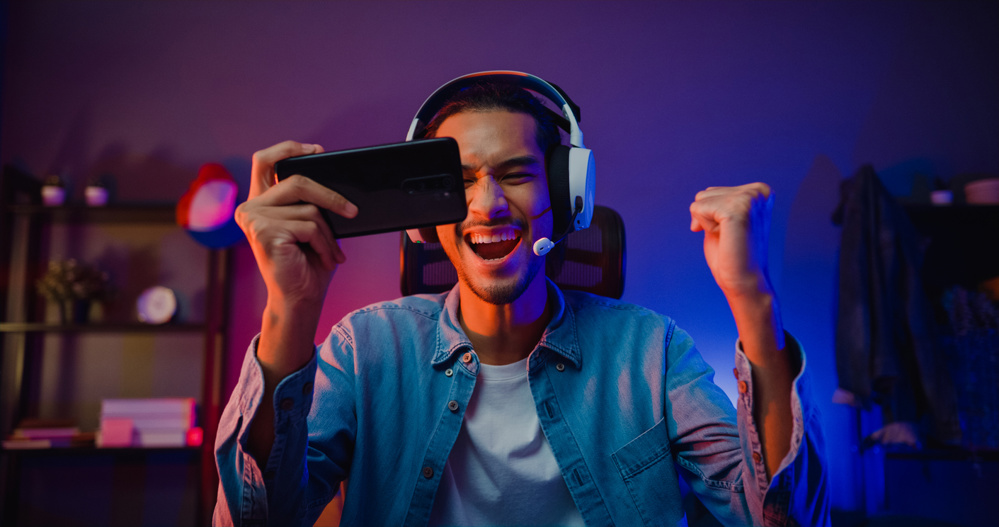
Casual games didn’t just become popular—they became part of how people move through everyday life. Whether it’s a quick puzzle during a commute or a few rounds before bed, these games fit seamlessly into small pockets of time. They don’t demand attention; they adapt to it.
That flexibility is what pushed casual games beyond entertainment into culture. They aren’t separate from daily routines—they exist within them. As smartphones spread and social platforms grew, these games followed, becoming shared experiences rather than isolated ones.
Why Pop Culture and Casual Gaming Are a Natural Match
The appeal of casual gaming lies in its simplicity—you don't need advanced skills or hours of free time to enjoy it. Whether you're commuting, taking a tea break, or winding down at night, casual games fit naturally into your existing social rituals. They don't demand commitment; they reward you with instant fun on your own terms.
Digital tools that simulate a random coin toss deliver instant, unbiased outcomes without requiring any physical setup, making them a natural fit for on-the-go decision-making. Pop culture operates the same way. It thrives on quick, relatable, shareable experiences that anyone can access. Casual games mirror that perfectly.
This shared vocabulary reflects how deeply casual gaming has embedded itself into mainstream culture, aligning seamlessly with pop culture's emphasis on inclusive, low-barrier entertainment. Titles like Candy Crush and Among Us spread rapidly because social sharing turned everyday players into enthusiastic word-of-mouth ambassadors across friend groups and feeds alike.
The Titles That Made Casual Gaming a Cultural Force
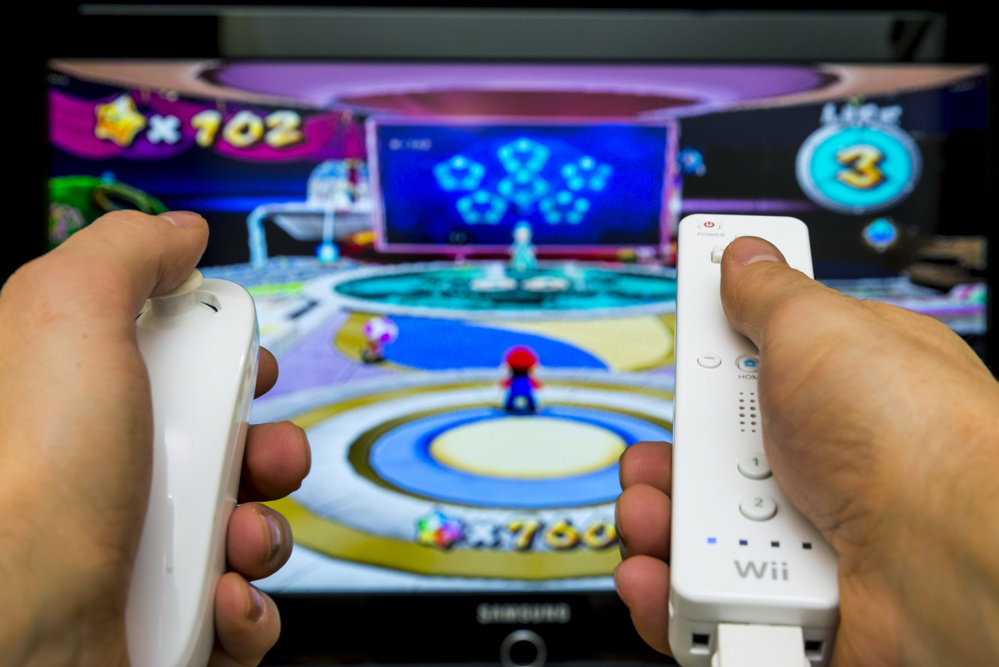
Few gaming milestones reshaped pop culture quite like the Nintendo Wii's arrival in the mid-2000s. Motion controls made gaming approachable, turning skeptical family members into Wii Revolutionaries practically overnight. "Wii Sports" didn't just sell consoles—it redefined who gamers could be.
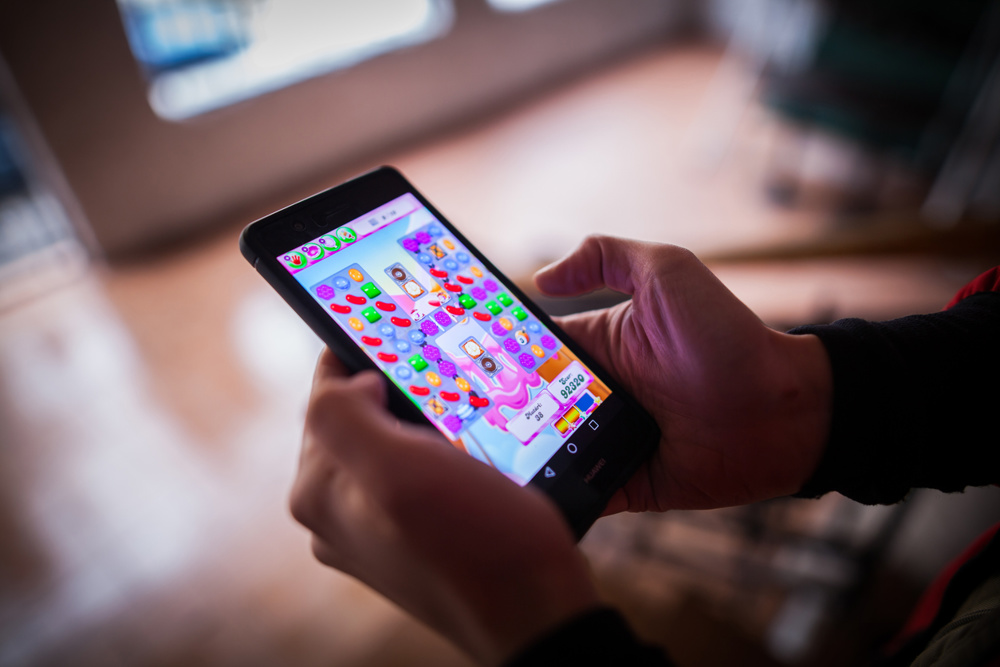
Then came the Casual Blockbusters that cemented gaming's mainstream status. "Candy Crush" turned commutes into gaming sessions. "Pokémon Go" sent millions into the streets. "Just Dance" transformed living rooms into dance floors. These titles didn't require prior gaming experience or expensive equipment—just a smartphone or simple controller.
Each breakthrough expanded gaming's demographic reach, pulling in players who'd never identified as gamers. You didn't need to be a dedicated enthusiast; you just needed to show up and play. Even classic pastimes like bingo found new life through virtual bingo tools that let friends across different locations join the same game instantly. Multiplayer casual titles like Fortnite further proved this point, evolving into virtual social hubs where players formed lasting friendships and communities that transcended geographical boundaries.
Check out MrPopCulture.com and learn more about pop culture trends in casual games.
Why Anyone Can Start Playing a Casual Game Today
What made those breakout titles so revolutionary wasn't just clever design—it was how effortlessly they welcomed anyone in. Today, instant accessibility means you don't need specialized equipment, high-end hardware, or lengthy setup processes. Your smartphone is enough.
Casual games run on low-spec devices, use intuitive touch controls, and launch without tutorials slowing you down. You grasp the rules immediately—swapping tiles, matching pieces, solving quick puzzles—because the mechanics are deliberately straightforward.
The low commitment structure removes every traditional barrier. There's no daily grind, no penalties for skipping sessions, and no ranking decay punishing your absence. You play when you want, stop when you need to, and return without consequence. Whether you've never gamed before or you're recovering from burnout, casual games genuinely meet you wherever you are.
How Mobile Platforms Put Casual Gaming in Every Pocket
The rise of smartphones transformed casual gaming from an occasional activity into a constant presence. Mobile devices made games portable, allowing people to engage with them whenever and wherever they chose. This shift fundamentally changed how games were consumed.
App stores simplified distribution, making it easy for users to discover and download new titles. Combined with affordable data access, this created an environment where games could spread rapidly across global audiences. The barriers between creators and players became significantly smaller.
This accessibility expanded gaming into new demographics. People who had never considered themselves gamers became regular participants. Mobile platforms didn’t just increase access—they reshaped the audience entirely.
How Fandoms Use Casual Games to Stay Connected Between Releases
Fandoms rarely stand still between releases—and casual games have become the connective tissue keeping communities alive during those gaps. When a new season or film feels months away, you'll find fan rituals forming around daily login streaks, guild challenges, and themed seasonal events tied to real-world premieres. These micro events replace passive waiting with active participation, syncing push notifications and lore expansions to keep emotional investment high.
Games like Star Wars: Galaxy of Heroes and Marvel: Strike Force give you character progression and team-based goals that carry meaning beyond a single release cycle. Social mechanics like guild gifting create shared responsibility, while user-generated content fuels ongoing creativity. You're not just waiting for the next drop—you're living inside the universe year-round.
Casual games are increasingly embedding side stories and unlockable lore that deepen your attachment to a franchise well beyond what the main media property delivers. This lore-driven content transforms a simple mobile game into an extended narrative experience that keeps you emotionally anchored to a universe between its biggest moments.
How Streaming Platforms Are Adding Casual Games to Their Apps
Streaming platforms are beginning to incorporate casual games as part of their broader content strategies. This shift reflects a growing understanding that audiences want interactive experiences, not just passive consumption. Gaming adds a new layer to digital entertainment.
By integrating games directly into their platforms, these services reduce friction between discovery and participation. Users can transition from watching content to interacting with it in a seamless way. This creates a more immersive experience.
This development signals a broader trend. Entertainment is becoming more interconnected, with boundaries between formats becoming less defined. Casual games are playing a key role in this transformation.
Why Casual Gaming Keeps Winning Against Bigger, Flashier Rivals
Bigger budgets and flashier graphics rarely win the daily habits war—and casual gaming keeps proving why. You don't need expensive hardware, long tutorials, or a cleared evening. Snappy accessibility means you're playing on your phone during a commute, a lunch break, or between tasks—no setup required.
What keeps you coming back isn't spectacle—it's low commitment rewards. You face no ranking decay, no penalty for skipping a day, and no exhausting catch-up grind. Yet ranked ladders, timed events, and head-to-head formats still deliver real competitive tension in under ten minutes.
Casual gaming also resets your mental energy when longer sessions aren't possible, functioning like cross-training for your gaming focus. It wins not by overwhelming you, but by fitting seamlessly into your actual life. Asynchronous gameplay removes the need for live coordination entirely, letting you participate on your own schedule without depending on teammates or synchronized sessions.
The Role of Social Sharing in Game Popularity
Social sharing has played a central role in transforming casual games from individual activities into collective experiences. Features such as friend invites, leaderboards, and achievement posts allow players to extend gameplay beyond the screen and into their social networks. This creates a feedback loop where playing and sharing become interconnected behaviors.
The visibility generated through sharing is particularly powerful because it feels organic. When players post about reaching a new level or invite others to join, they are not acting as advertisers in a traditional sense. Instead, they are participating in a form of social signaling, where engagement with a game reflects personal interests and identity.
Over time, this dynamic reshapes how games spread. Growth becomes driven less by formal marketing and more by peer-to-peer interaction. Players become active participants in a game’s success, turning casual gaming into a socially reinforced cultural activity rather than a purely individual one.
Meme Culture and the Humor of Casual Gaming
Casual games often intersect naturally with meme culture because of their repetitive and relatable gameplay patterns. Moments such as narrowly missing a high score or encountering an unexpected challenge are easily recognizable, making them ideal for humorous reinterpretation. These experiences translate well into visual and textual formats that can be widely shared.
Memes extend the life of these moments beyond gameplay. A single in-game experience can be reframed as a joke that resonates with a broader audience, including those who have never played the game. This allows casual games to exist simultaneously as interactive experiences and cultural references.
Through this process, humor becomes a bridge between players and non-players. Casual games are no longer confined to their platforms—they become part of online discourse. Their presence in meme culture reinforces their relevance, embedding them within the larger ecosystem of digital communication.
Casual Gaming and the Changing Definition of Play
Casual gaming has significantly altered the traditional understanding of play by removing its boundaries. Instead of requiring dedicated time or specific settings, play can now occur in brief, flexible intervals throughout the day. This shift reflects a broader redefinition of leisure in modern life.
The integration of play into daily routines aligns with changing habits shaped by mobile technology. People engage with games while commuting, waiting, or taking short breaks, blending entertainment with everyday activities. This makes gaming less of a separate event and more of a continuous presence.
As a result, the concept of who participates in gaming has expanded. Casual games have made play accessible to a wider audience, including those who might not identify as gamers. This inclusivity reinforces their role in pop culture, where participation is defined by accessibility rather than expertise.
Conclusion
Casual games became part of pop culture because they did more than entertain—they adapted to how people live. They fit into routines, encouraged social interaction, and connected with broader cultural trends. Their success lies in integration. By aligning with everyday behaviors and digital environments, they became part of how people communicate and engage with the world.
This made them more than just games—they became cultural tools. As entertainment continues to evolve, casual gaming remains central to that transformation. It reflects a shift toward accessibility, connection, and shared experience, ensuring its place within modern pop culture.